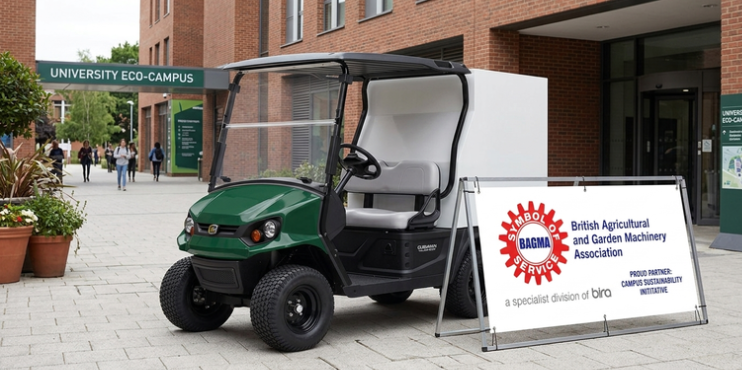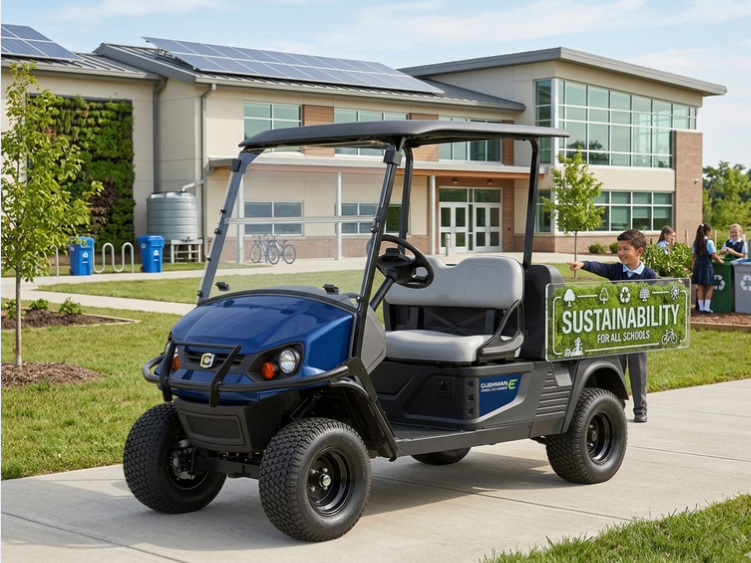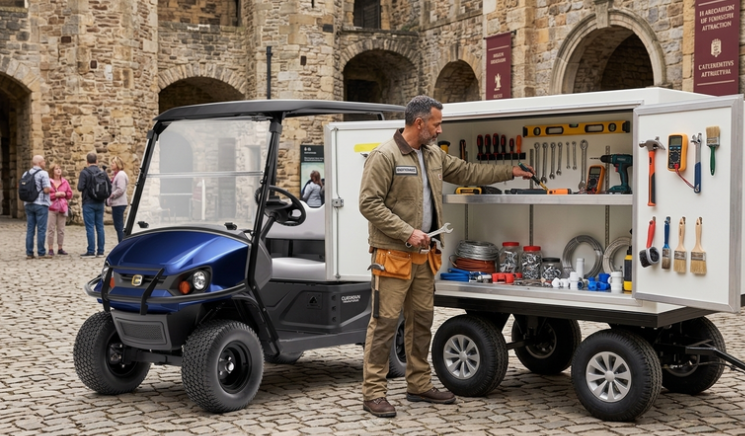
Across schools, colleges and university campuses, the vehicles used for maintenance, facilities, estates management and deliveries play a bigger role than many realise. Grounds teams, site managers and event staff rely on utility vehicles every day — but the type of vehicle you choose directly affects the learning environment around it.
At Utility Vehicles UK, we’re seeing a clear shift toward electric — and not just for environmental reasons. For education settings in particular, electric utility vehicles deliver meaningful improvements to safety, wellbeing and day-to-day campus life.
A quieter, cleaner campus environment
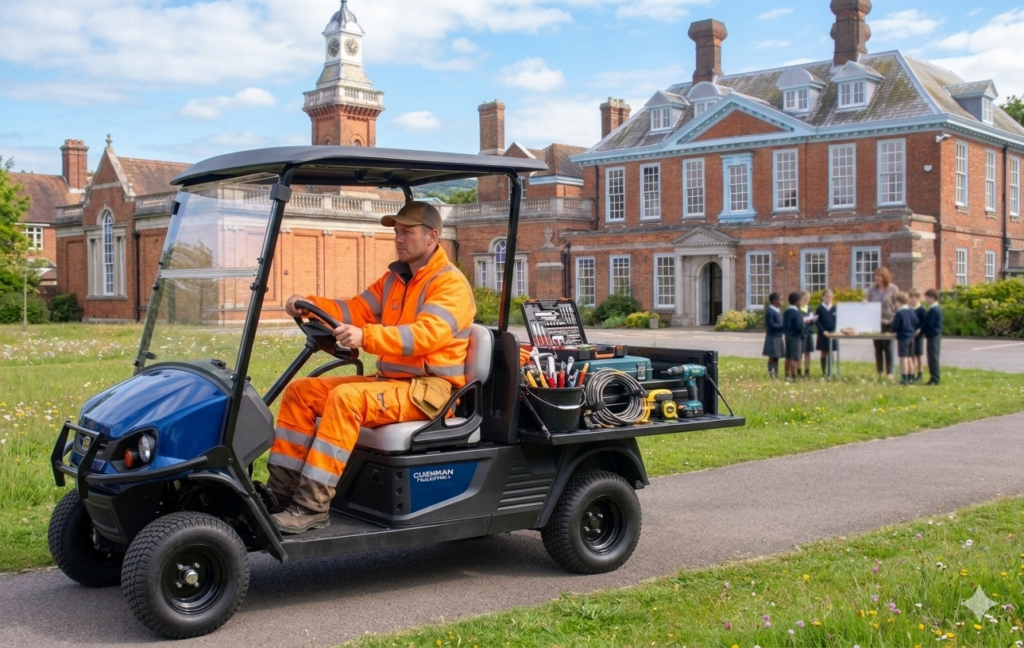
Electric vehicles create a quiet, clean environment — perfect for campuses where students are walking, learning outdoors, or using sports fields.
Unlike petrol or diesel models, electric utility vehicles operate with minimal motor noise. There’s no engine revving past classrooms, no idling disruption during lessons, and no mechanical rumble cutting across outdoor assemblies or sports fixtures.
This matters more than many assume.
Outdoor learning has become increasingly common, from forest school sessions in primary settings to sports science practicals and enrichment activities in secondary schools and colleges. Excessive engine noise doesn’t just distract — it interrupts instruction, affects concentration, and can undermine the calm atmosphere schools work hard to create.
Reducing fumes where it matters most
Traditional fuel-powered vehicles produce exhaust fumes that linger — particularly in enclosed courtyards, near building entrances, or around sports facilities.
Electric vehicles significantly reduce fumes and emissions in areas where pupils and staff congregate.
This is especially important at:
- School entrances during busy drop-off and collection periods
- Outdoor dining or seating areas
- Sports pitches and athletics tracks
- Covered walkways and quadrangles
- Maintenance yards near classrooms
Cleaner air isn’t just an environmental goal — it’s a wellbeing priority. Reducing exposure to emissions supports healthier spaces for students, staff and visitors alike.
Addressing the myths
Despite the clear advantages, a couple of misconceptions still surface when organisations consider switching to electric.
Myth 1: “Noise doesn’t matter outdoors.”
In reality, it absolutely does.
Even outdoor learning, sports, and events are disrupted by engine noise. Grounds teams may only pass through briefly, but repeated interruptions throughout the day quickly add up. Over time, this background noise becomes part of the daily atmosphere — and not in a positive way.
A quieter vehicle allows estates teams to operate efficiently without becoming a distraction. It supports a calmer environment and protects the integrity of lessons, training sessions and school events.
Myth 2: “Electric is weak or slow.”
Modern electric haulers have plenty of torque for staff, equipment, or deliveries.
In fact, electric motors deliver instant torque from a standstill, making them ideal for:
- Moving maintenance equipment
- Transporting groundskeeping materials
- Carrying sports gear
- Towing light trailers
- Handling campus deliveries
Today’s electric utility vehicles are purpose-built for professional environments. They’re robust, capable and more than suited to the daily demands of education estates teams.
Practical benefits beyond the environment
Beyond noise and emissions, electric utility vehicles also offer:
- Lower running costs
- Reduced servicing requirements
- Fewer moving engine parts
- No fuel storage concerns
- Simpler day-to-day operation
For schools and colleges operating within tight budgets, these operational efficiencies can make a meaningful long-term difference.
A smarter standard for modern campuses
Education settings are increasingly focused on sustainability targets, student wellbeing and creating high-quality learning environments. Choosing electric utility vehicles aligns directly with those priorities.
Quiet operation. Cleaner air. Strong performance. Lower maintenance.
It’s not just about switching power sources — it’s about improving the daily experience of everyone on campus.
If your school, college or university is reviewing its fleet, Utility Vehicles UK can help you explore electric options designed specifically for education environments. Because a better learning environment doesn’t just happen inside the classroom.