
In today’s education landscape, sustainability is no longer a side initiative. It’s part of a school’s identity. Parents evaluate it. Governors discuss it. Students expect it.
While recycling schemes and energy-saving campaigns are valuable, some of the most visible sustainability statements are made through everyday operational decisions — including the vehicles used on campus.
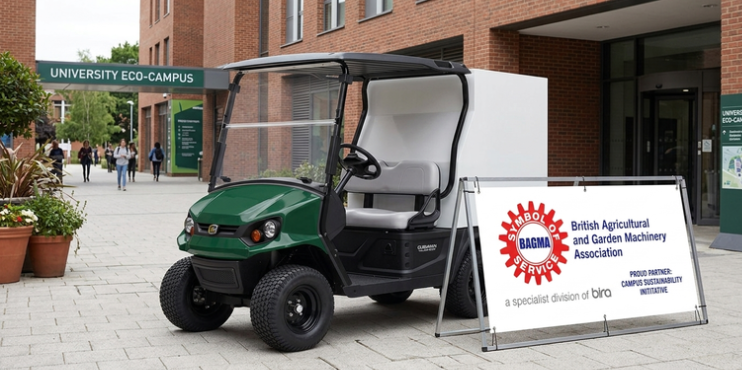
At Utility Vehicles UK, we’ve seen how switching from petrol to small electric utility vehicles delivers more than operational benefits. It sends a clear, positive message to the entire school community.
A visible commitment to sustainability
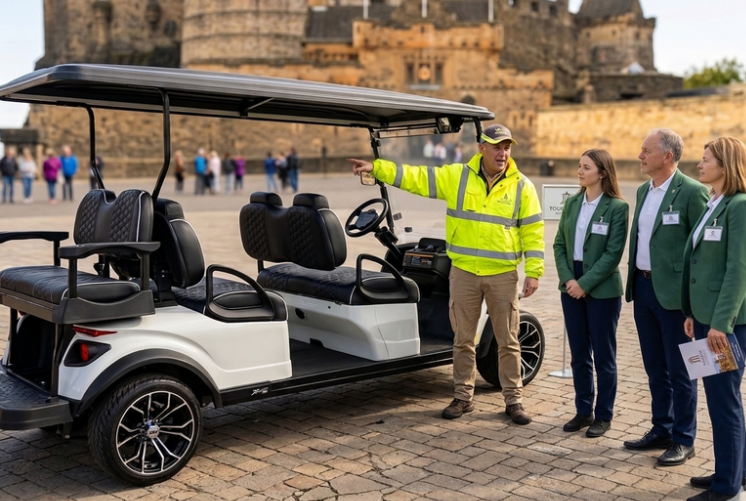
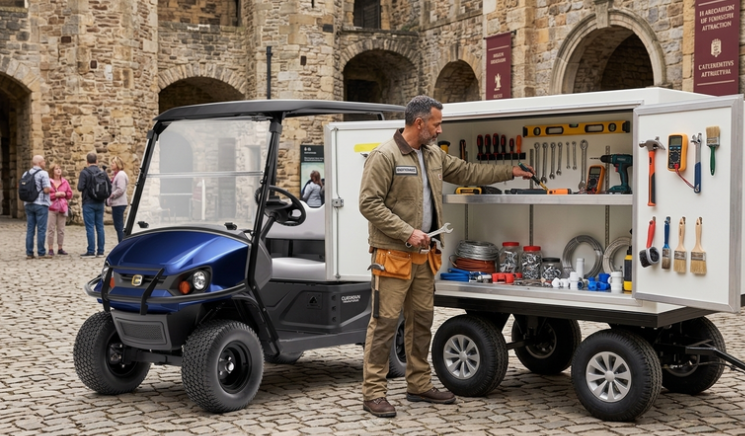
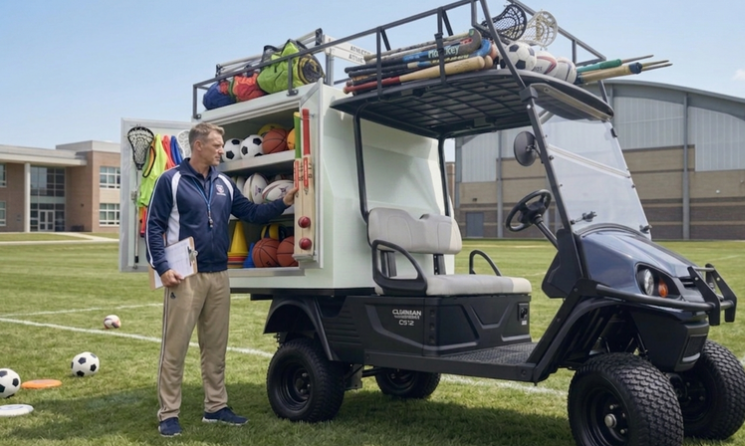
Grounds teams, site staff and facilities managers are active across campus every day. The vehicles they drive are seen by pupils, staff, parents and visitors alike.
Using electric or hybrid vehicles sends a strong signal to parents, students, and stakeholders that your school prioritizes sustainability.
Unlike behind-the-scenes infrastructure upgrades, transport is highly visible. When a quiet electric vehicle passes by instead of a petrol engine emitting fumes, it becomes a subtle but powerful symbol of responsible leadership.
For governors and trustees focused on long-term strategy and ESG considerations, these choices demonstrate alignment between values and action.
A lesson in action, not just theory
Environmental responsibility is embedded in modern curricula. Students are taught about climate change, carbon footprints and sustainable living.
Choosing electric campus vehicles aligns with teaching environmental responsibility — a lesson in action, not just theory.
When pupils see their school actively reducing emissions, it reinforces classroom learning. Sustainability stops being an abstract concept and becomes part of daily life.
This consistency between education and operations strengthens credibility. It shows students that the institution practices what it teaches.
Addressing the myths
As with any operational change, questions arise. Two common misconceptions often surface when schools consider transitioning from petrol to electric utility vehicles.
Myth 1: “Sustainability is only about recycling.”
Recycling bins are important — but sustainability is broader than waste management.
Demonstrating cleaner transport reinforces environmental values daily.
Every time an electric vehicle operates without fumes or engine noise, it supports:
- Reduced on-site emissions
- Improved air quality
- Lower carbon impact
- A calmer, quieter environment
Transport is part of a school’s environmental footprint. Addressing it strengthens the overall sustainability strategy rather than limiting efforts to classroom campaigns or waste initiatives.
Myth 2: “It’s just a cost.”
At first glance, electric vehicles may appear to require a higher upfront investment compared to petrol alternatives.
However, over time, reduced fuel and maintenance costs often offset initial investment.
Electric utility vehicles typically offer:
- Lower energy costs compared to fuel
- Fewer moving engine parts
- Reduced servicing requirements
- No oil changes or exhaust system maintenance
For schools managing tight budgets, this longer-term cost efficiency is a significant factor. What may seem like an expense can become a financially sensible, future-focused decision.
Enhancing reputation and trust
Parents increasingly consider environmental responsibility when choosing schools. For independent schools, it can be a differentiator. For state schools and academies, it reinforces community trust and accountability.
Small operational changes contribute to a broader perception:
- Responsible leadership
- Modern facilities management
- Commitment to pupil wellbeing
- Alignment with national sustainability goals
Electric utility vehicles may be a small part of the estate — but they are highly visible and symbolically powerful.
Building a sustainable culture
Sustainability isn’t achieved through a single initiative. It’s built through consistent decisions that align with long-term values.
Switching to electric or hybrid utility vehicles demonstrates:
- Strategic thinking
- Environmental responsibility
- Financial prudence
- A commitment to modelling positive behaviour
At Utility Vehicles UK, we work with schools and education estates teams to provide electric utility vehicles designed for practical performance while supporting wider sustainability goals. Because when a school invests in cleaner transport, it’s not just upgrading equipment — it’s reinforcing its values, every single day.