Mistake #1: Choosing the wrong size Utility Vehicle for the job.
Choosing a utility vehicle should be a straightforward decision. Unfortunately, one of the most common mistakes buyers and long-term renters make is selecting a vehicle that’s simply the wrong size for how it will actually be used.
It’s easy to underestimate or overestimate your requirements, especially when brochures and dealer pitches focus on headline figures rather than real-world use. Get the size wrong, and you’ll feel the consequences every day.
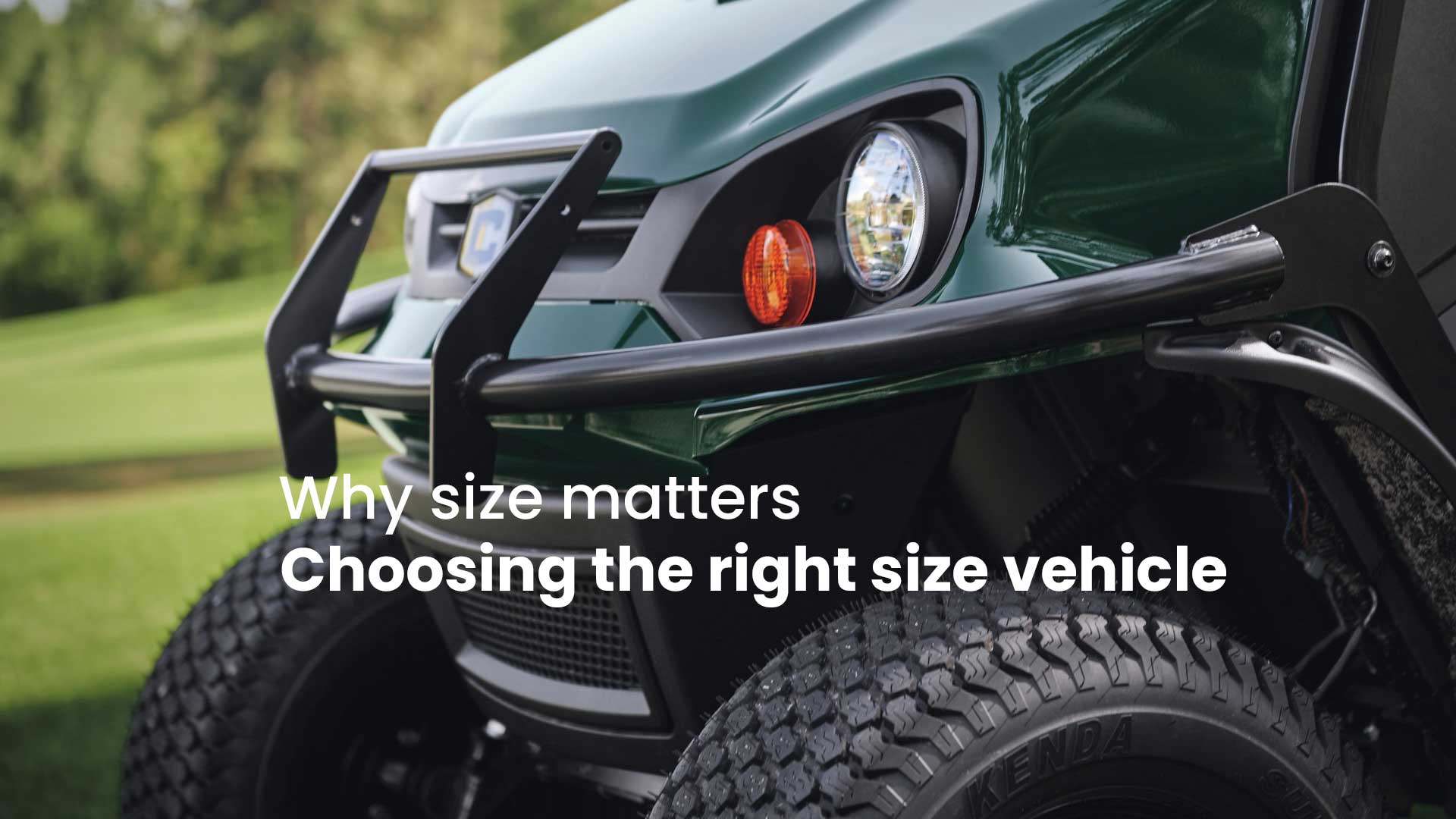
Why size matters more than you might think.
Utility vehicles are designed to work. When the size doesn’t match the task, productivity drops and running costs rise.
A vehicle that’s too small may:
- Struggle with payloads
- Wear components faster
- Require multiple trips to complete simple jobs
A vehicle that’s too large may:
- Be awkward in confined spaces
- Cost more to run and maintain
- Sit underused while still depreciating
Neither scenario delivers value.
The “Too Small” trap.
This usually happens when buyers focus on initial price rather than daily workload.
Common signs you’ve gone too small:
- Regularly exceeding recommended payload limits
- Straining suspension, brakes, or drivetrain
- Constantly towing instead of carrying loads
Over time, this leads to higher servicing costs and reduced reliability. What looked like a bargain quickly becomes expensive.
The “Too Big” trap.
Bigger isn’t always better. Overspecifying is surprisingly common, particularly for long-term rentals.
Problems with oversized vehicles include:
- Poor manoeuvrability in yards, warehouses, or woodland
- Higher fuel consumption or charging costs
- Paying for capacity you never use
If the vehicle spends most of its life half-loaded, you’re wasting money.
Key questions to ask before choosing size.
Before buying or committing to a long-term hire, be brutally honest about how the vehicle will be used.
Ask yourself:
- What is the maximum load, not the average?
- How often will it operate in tight or restricted areas?
- Will attachments or accessories add weight?
- Could workloads increase over the next 2–3 years?
Sizing for tomorrow’s needs, not just today’s, is a smart move, but only if growth is realistic.
A practical rule of thumb.
As a general guide:
- Choose a vehicle that comfortably handles 80–90% of your heaviest expected workload
- Leave a margin for growth without jumping up an entire size class
This balance avoids strain without overspending.